Practical guide · Chilean Andes
Everything You Need to Know Before Hiking in Chile
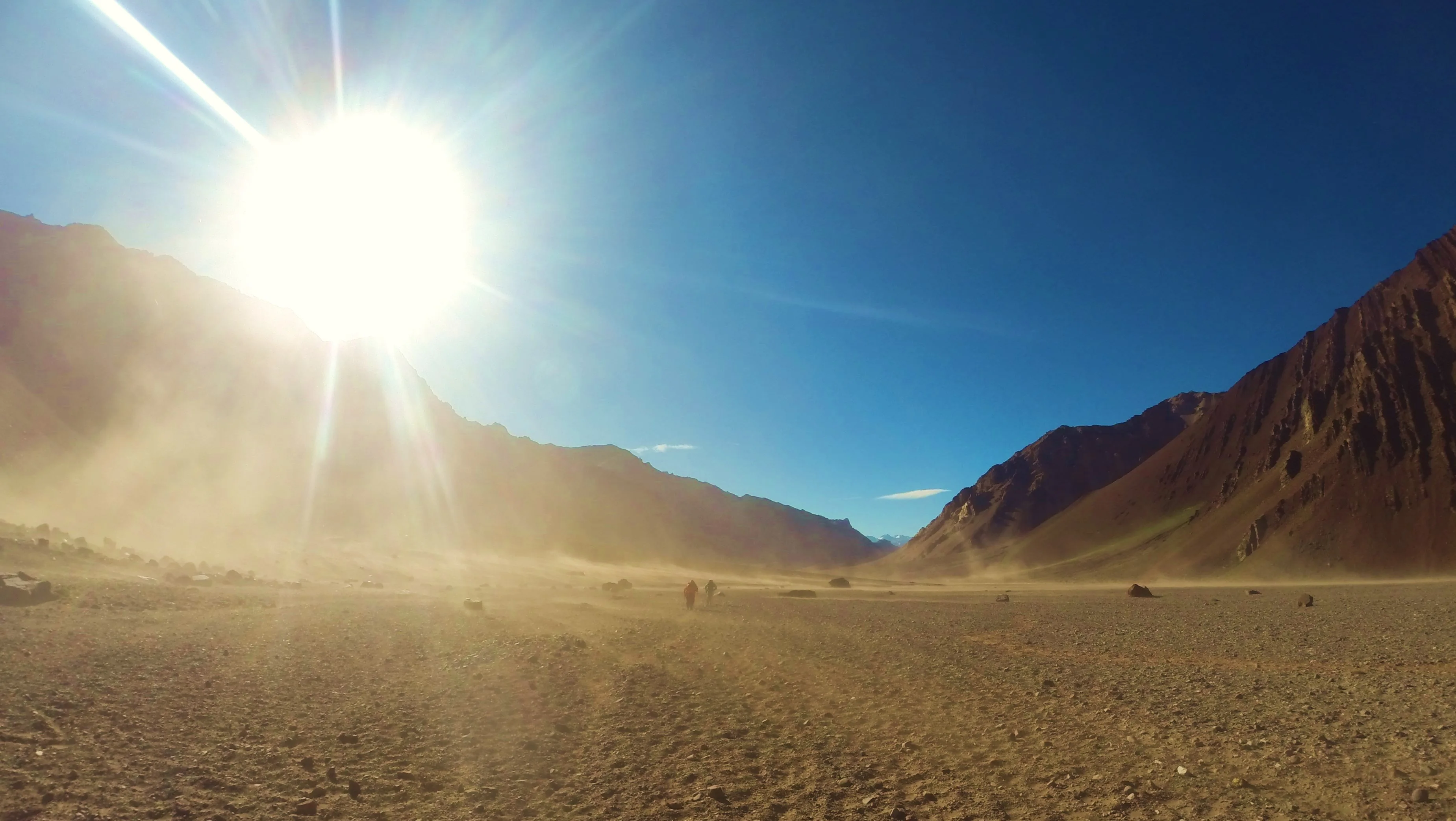
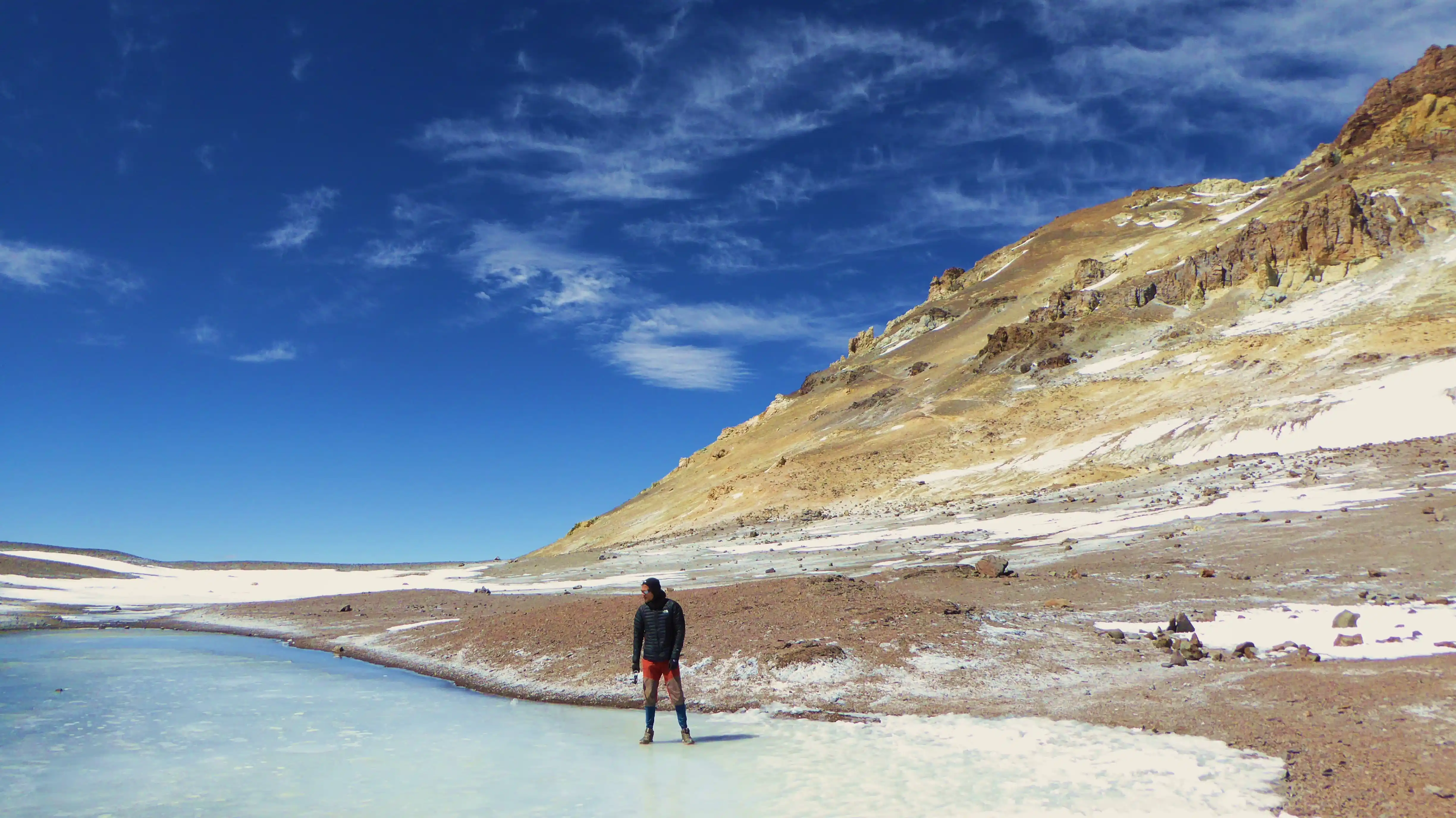
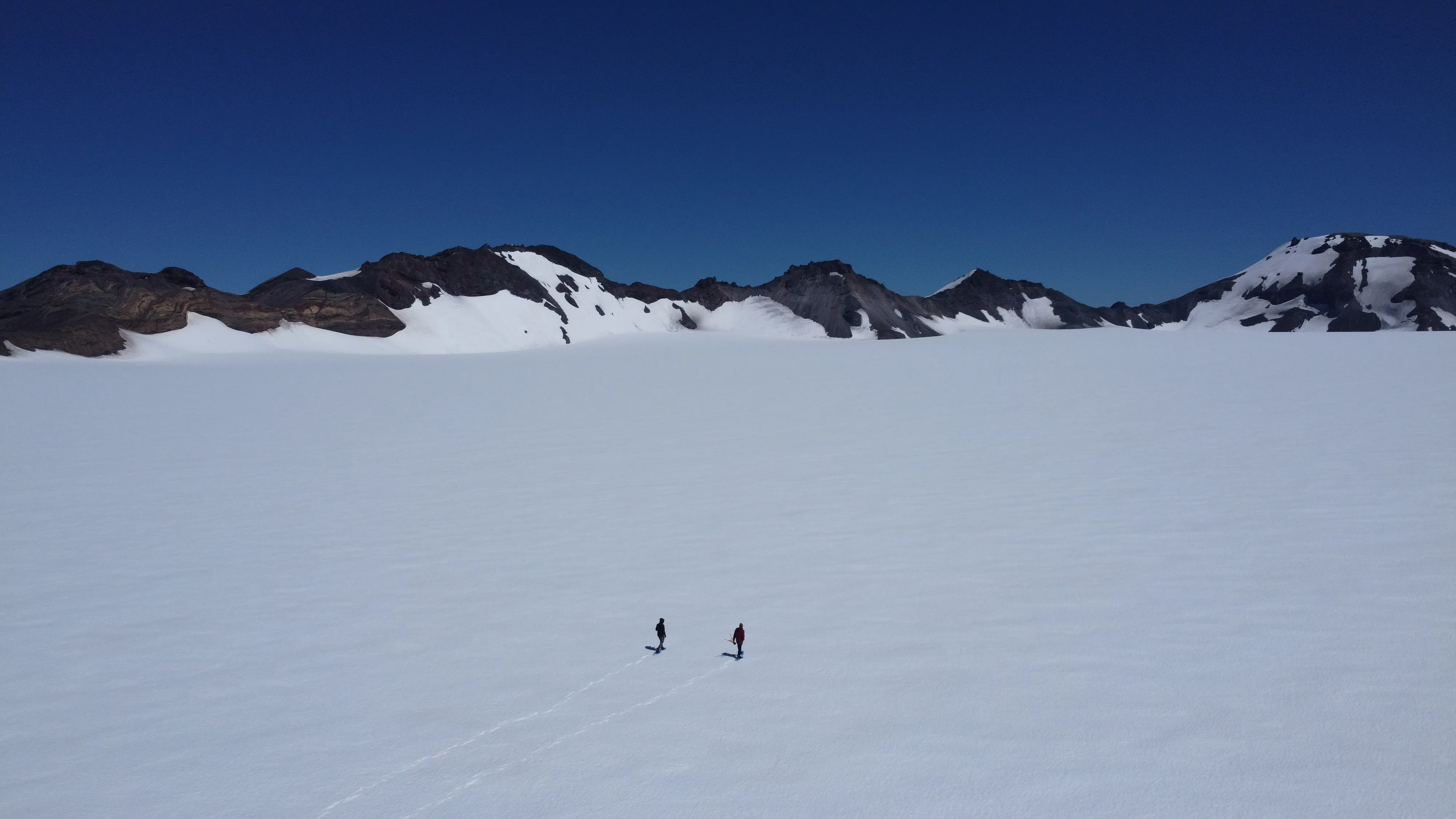
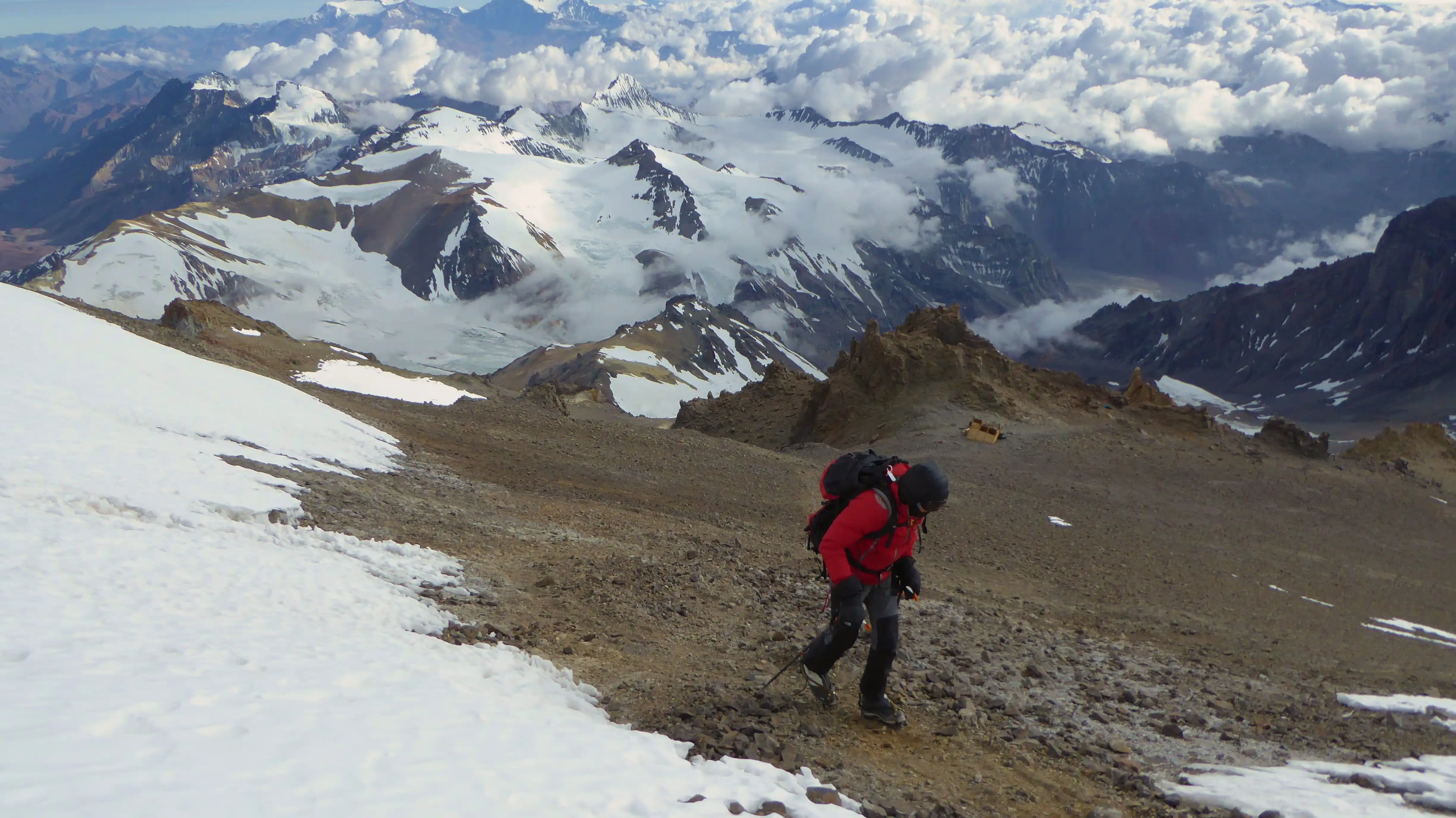
Hiking in Chile is not fundamentally different from hiking anywhere else in the world. With the right preparation, many of the country's trails and mountain routes can be explored independently, giving experienced hikers the freedom to discover the Andes at their own pace.
In most cases, hiring a local guide is not mandatory. However, travelling with someone who knows the area can add another dimension to the experience. A good local guide can help you understand the geology, wildlife, history and culture of the landscapes you are crossing, while providing valuable knowledge of local conditions and the mountain environment.
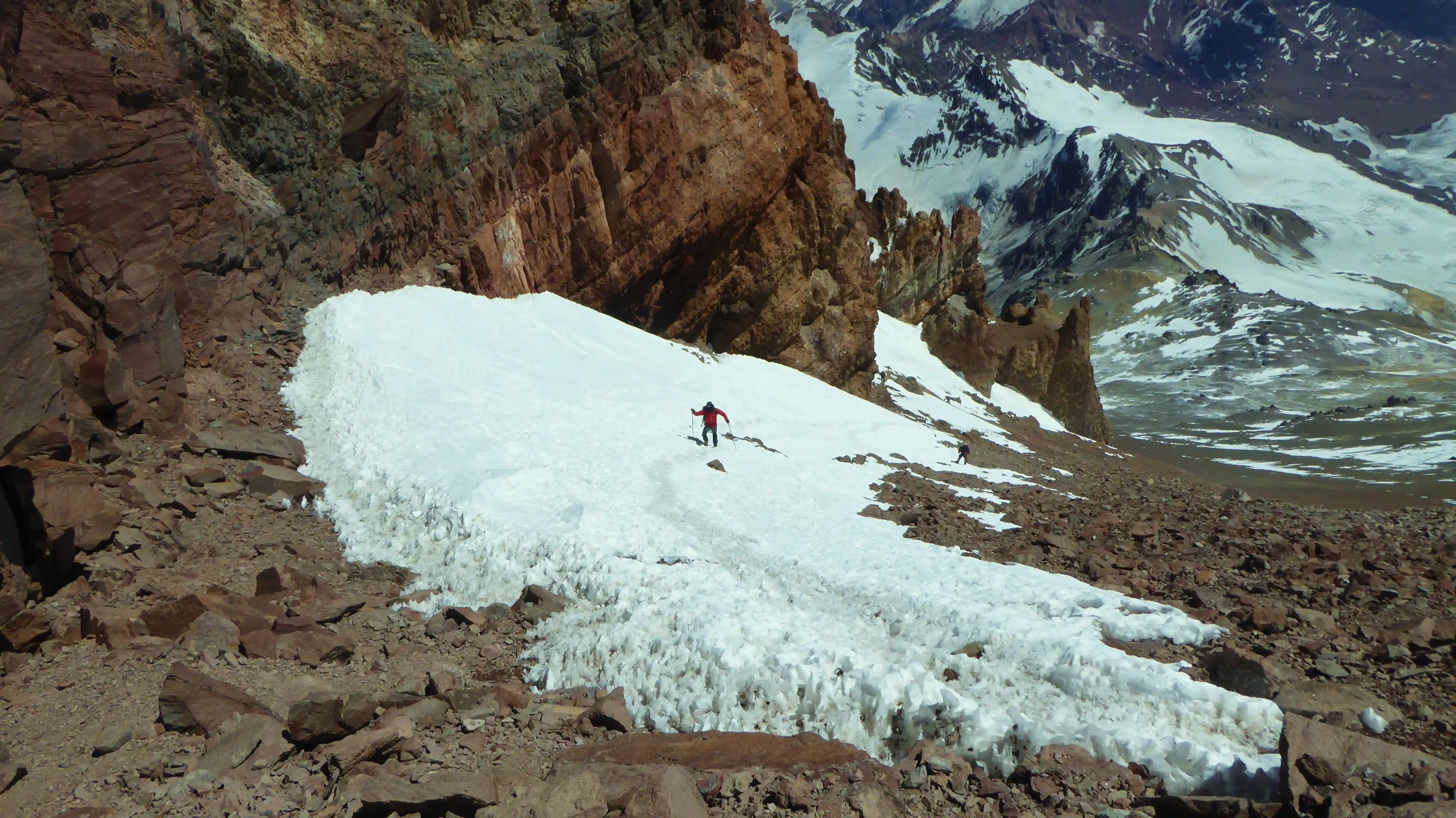
For some routes and activities, however, a certified guide may be required, particularly where technical terrain, glaciers, volcanic environments or specific regulations are involved. Requirements vary considerably between destinations, so they should always be checked before travelling.
Reservations, Permits & Registration
One of the most important things to understand about hiking in Chile is that access does not always mean simply arriving at the trailhead.
National parks, protected areas and privately managed territories may require advance reservations, entrance tickets, registration with local authorities or special access permits. Some of the country's most popular destinations can fill up well in advance during the summer season.
Requirements also change over time, making it important to check the current regulations for each destination rather than relying exclusively on older information found online.
Getting to the Trailhead
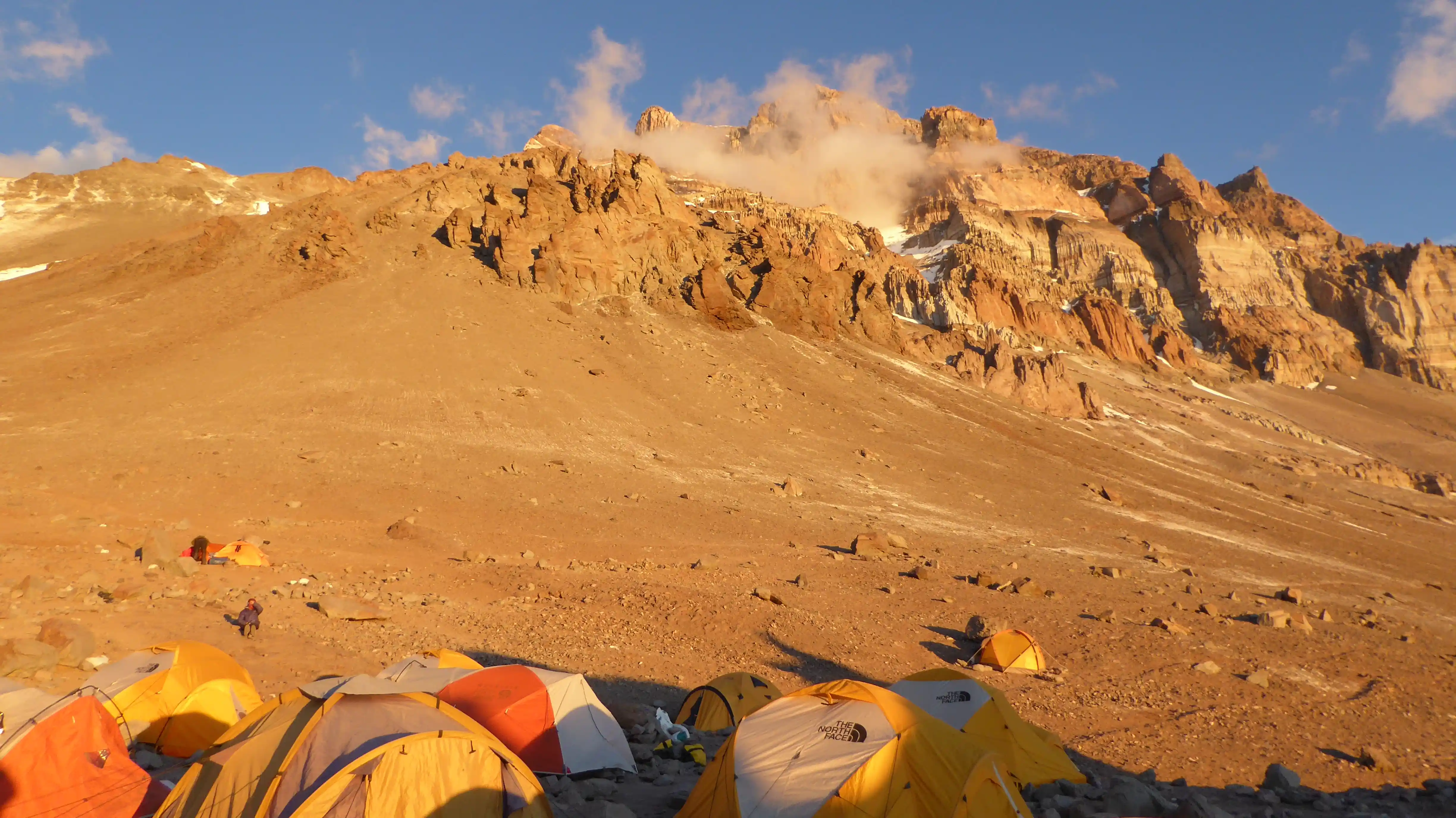
Distances in Chile can be deceptive. Some extraordinary hiking areas are far from major cities and public transport, and reaching the beginning of the trail can be part of the adventure itself.
Many routes can be reached with a normal vehicle, but some of the most interesting mountain areas require high-clearance or 4x4 transport, particularly where access involves unpaved mountain roads, river crossings or remote valleys.
For routes that finish somewhere different from where they start, transportation also needs to be coordinated in advance.
Weather in the Chilean Andes
Mountain weather can change quickly, and conditions vary enormously across Chile's remarkably long and diverse geography.
Checking the forecast before departure is essential, but so is understanding the conditions you may encounter along the route. Temperature, wind, precipitation, snow conditions and freezing levels can all determine whether an itinerary remains appropriate.
Having alternative plans is particularly valuable in mountain environments, where changing conditions may require modifying or postponing an activity.
Always Have a Safety Plan
Before heading into the mountains, someone should know exactly where you are going and when you expect to return.
Share your itinerary and expected return time with a reliable contact, and establish what they should do if you fail to check in. In remote areas without mobile coverage, carrying a satellite communication or emergency device can provide an additional layer of safety.
“Good preparation does not take away the freedom of independent travel. It is what makes that freedom possible.”
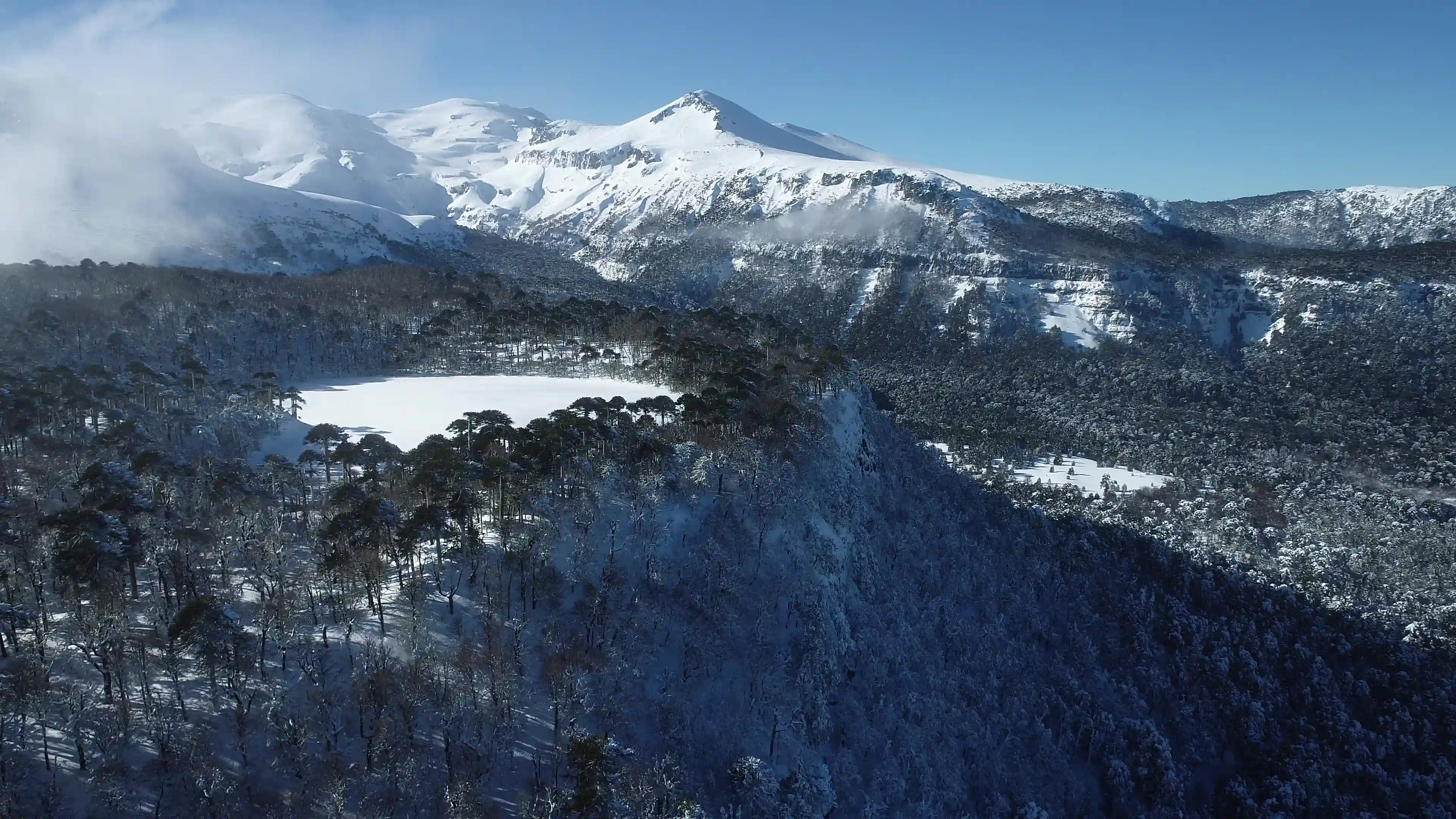
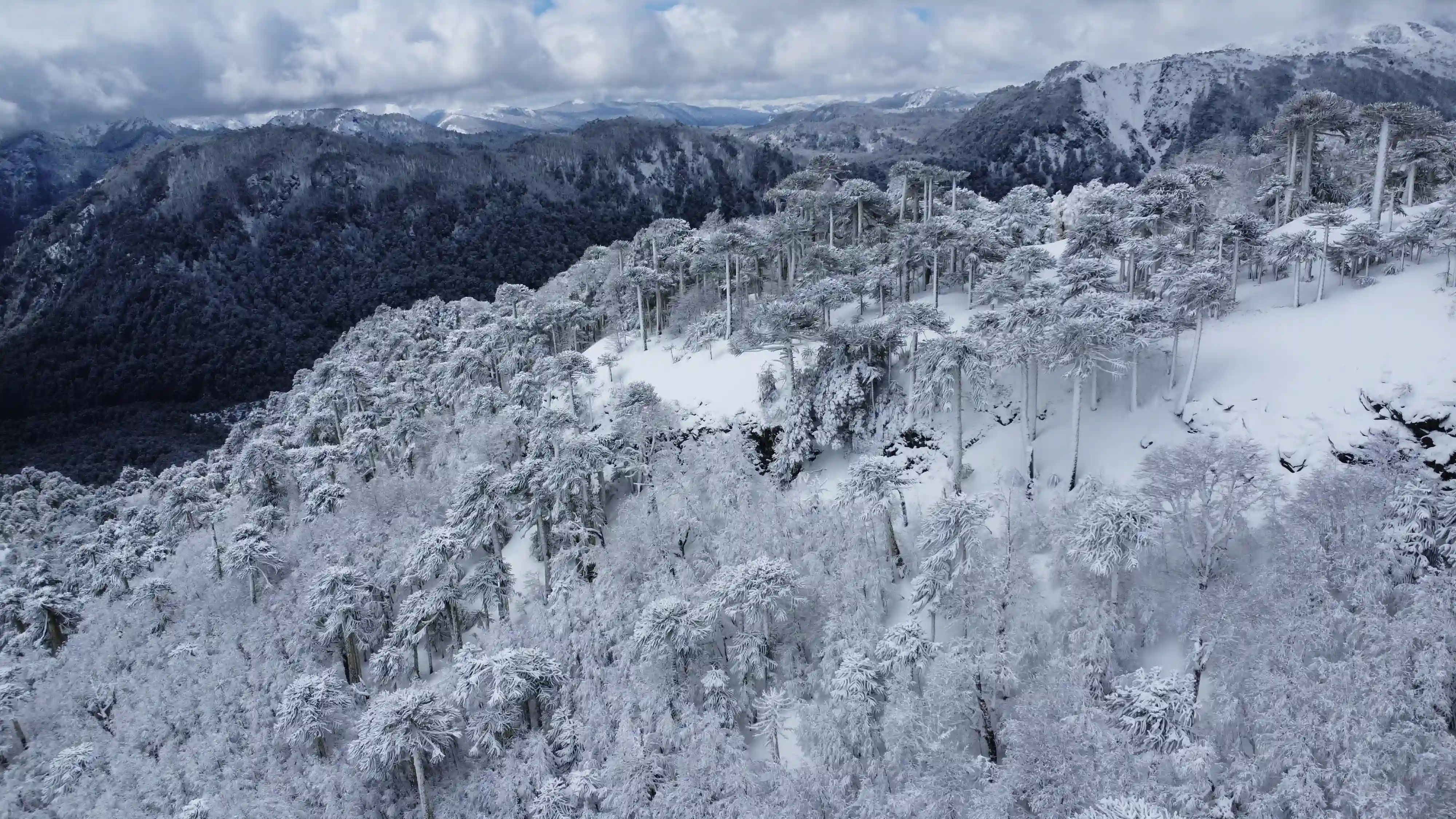
Chile offers an extraordinary variety of mountain environments, from accessible day hikes to remote expeditions across volcanoes, glaciers and the Patagonian Andes. With the right information, equipment and logistical preparation, much of this territory can be explored independently and confidently.
Explore the Andes →“You choose where you want to go. AndeScape helps you make sure everything is ready when you get there.”